

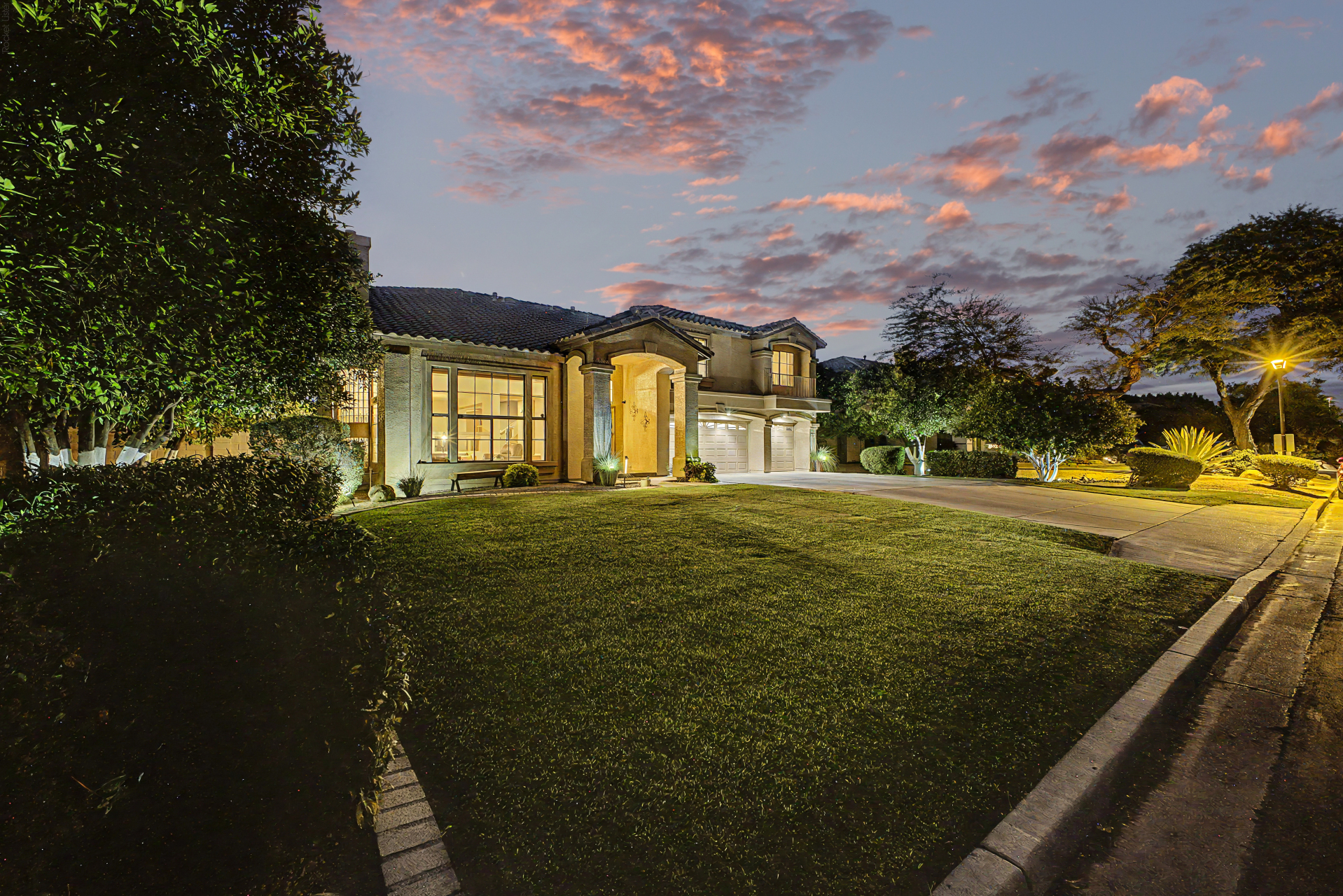
If you’ve been watching the housing market in Chandler, Arizona, you’ve probably noticed something puzzling: some homes attract multiple offers within days, while others linger for weeks—or even months. As a local realtor, I can tell you this isn’t random. Homes that sell quickly tend to check a specific set of boxes, while those that sit often miss the mark in key areas.
Let’s break down the real reasons behind this divide so you can position your home for success.
1. Pricing: The #1 Influencing Factor
The biggest reason a home sits on the market is simple—overpricing.
Many sellers want to “test the market” by listing high, assuming they can negotiate down later. In reality, today’s buyers are highly informed. They’ve already studied comparable sales, tracked price trends, and know what a fair price looks like.
Homes priced correctly from day one:
- Generate immediate interest
- Attract more showings
- Often receive stronger offers
Homes priced too high:
- Get ignored in online searches
- Accumulate days on market (DOM)
- Eventually require price reductions, which can signal weakness
Bottom line: The first 1–2 weeks on the market are critical. Pricing right upfront is far more effective than chasing the market down later.
2. First Impressions Matter More Than Ever
In today’s digital-first world, your home’s first showing happens online.
Buyers scroll through listings quickly, and you have only seconds to capture their attention. That means:
- High-quality professional photography is non-negotiable
- Clean, decluttered spaces are essential
- Curb appeal must invite buyers in
Homes that sell fast typically feel:
- Bright and open
- Well-maintained
- Move-in ready
Homes that sit often show:
- Poor lighting or dark photos
- Cluttered or overly personalized spaces
- Deferred maintenance issues
3. Condition and Updates
Chandler buyers are savvy—and many prefer homes that don’t require immediate work.
A home doesn’t have to be fully remodeled, but it should feel well cared for. The homes that move quickly usually have:
- Fresh paint in neutral tones
- Updated fixtures or finishes
- Clean flooring and surfaces
On the flip side, homes that sit tend to raise red flags:
- Outdated kitchens or bathrooms
- Noticeable wear and tear
- Needed repairs and fresh paint that buyers mentally “overprice”
Important insight: Buyers often overestimate the cost of repairs, so even small issues can dramatically impact perceived value.
4. Location Within the Location
Not all neighborhoods—or even lots—are created equal.
Homes that sell faster often benefit from:
- Proximity to top-rated schools
- Quiet interior lots
- Easy access to shopping, dining, and freeways
- Desirable community features (parks, walking paths, etc.)
Homes that may sit longer:
- Back to busy roads
- Near commercial zones or noise sources
- Have less desirable lot orientation or layout
While you can’t change location, you can adjust pricing to compensate.
5. Marketing Strategy (It’s Not Just Listing on the MLS)
A “list it and hope” approach doesn’t work anymore.
Homes that sell quickly are backed by strong marketing, including:
- Professional photos and video
- Strategic online exposure (IDX, social media, email campaigns)
- Targeted outreach to active buyers and agents
Weak marketing leads to:
- Limited visibility
- Fewer showings
- Longer time on market
6. Timing and Market Conditions
Even in a strong market, timing matters.
Factors that influence how quickly a home sells can include:
- Seasonal demand (late winter and spring are typically strongest here)
- Interest rate trends
- Local inventory levels
If more homes are competing for the same buyers, pricing and presentation become even more critical.
7. Buyer Psychology: Momentum Creates Momentum
There’s a psychological factor at play that many sellers overlook.
When a home:
- Gets immediate showings
- Receives early offers
- Appears “in demand”
…it creates urgency among buyers.
But when a home sits:
- Buyers assume something is wrong
- They become more cautious or submit lower offers
- Interest continues to decline
This is why a strong launch strategy is essential.
Final Thoughts
The difference between a home that sells fast and one that lingers usually comes down to a combination of pricing, presentation, and strategy—not luck.
If you’re thinking about selling your home in Chandler, Scottsdale or the East Valley the goal should be clear:
create maximum demand the moment your home hits the market.
That’s how you generate strong offers, shorten your timeline, and ultimately walk away with the best possible result.
If you’re curious how your home would perform in today’s market—or what small changes could make a big difference—I’m always happy to provide a personalized evaluation.
Check out this article next